

#3 The Collector’s Playbook: 8 Styles & Mediums to Buy Now
From series How To Collect Art

Welcome to the third letter in my How To Collect Art series. I like to answer real questions that come up in conversations, and one I hear quite often is: do people go crazy over a specific style or type of art? Art is a bit like fashion—certain styles and mediums have their moment, and some artists even feel “seasonal.” The difference is that, in art, these waves are driven less by whim and more by the macro environment: how the market is moving, what museums are showing, and where collectors are spending.
With that in mind—and based on the current state of the art market—I’ve put together a concise list of styles and mediums that are smart (and popular) to collect this year and for the foreseeable future. You’ll find a quick rationale for each category plus curated examples to help you see the lane before you buy.
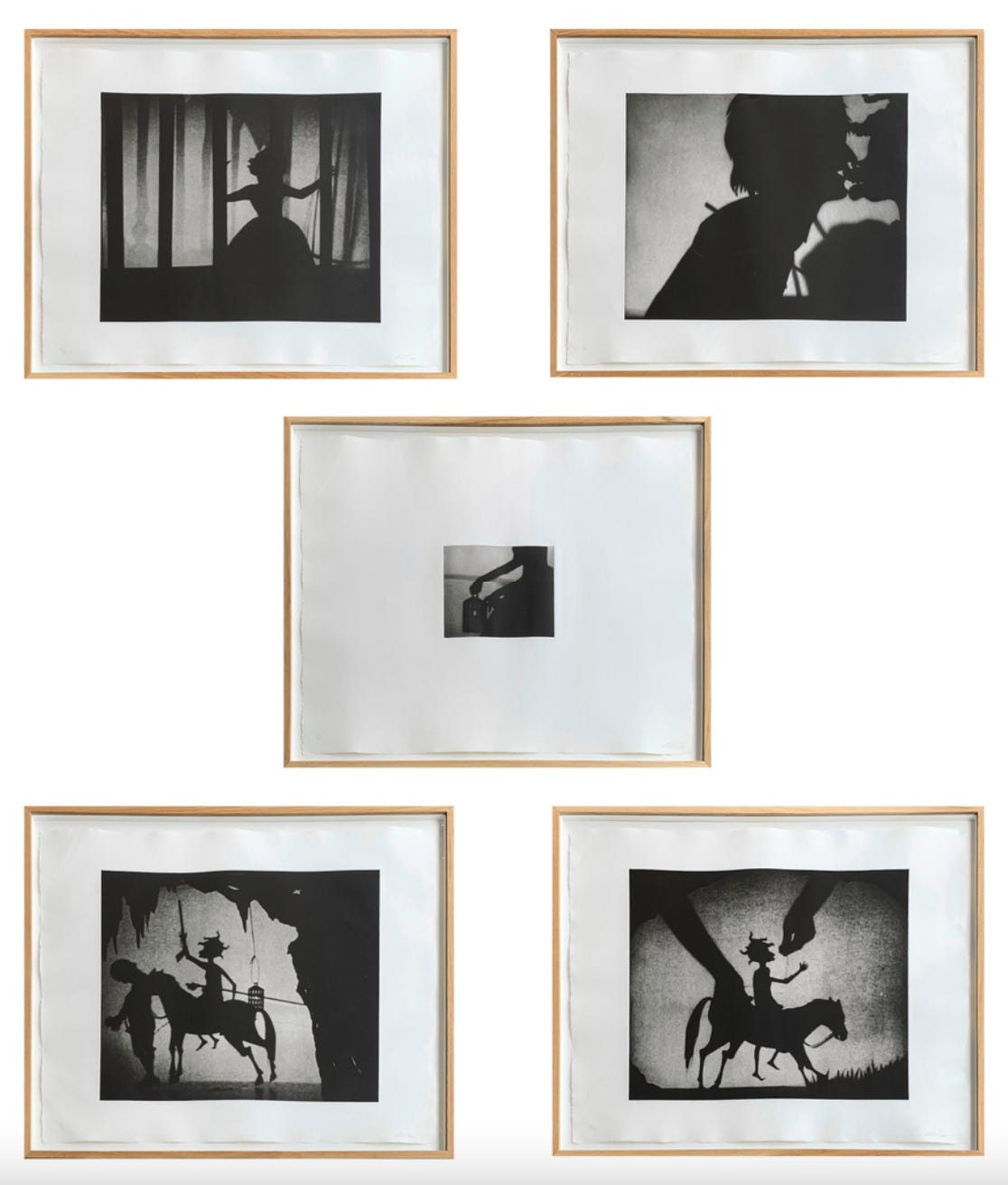
1) Prints & editions
Why they’re hot: clear pricing + high literacy + big audiences. Editions let collectors buy museum-caliber images at rational prices, and the segment is scaling even in a soft market. In 2024, auctions saw a decade-high 54,602 print lots sold—value dipped, but far less than the broader market. Platforms like Avant Arte report rising sales (€350–€1,500) entry points, pulling in Gen-Z and first-time buyers with timed releases and strong production quality. This maps perfectly to 2024’s shift toward sub-$5,000 price bands.( Artnet )
What it means for collectors: publishers and institutions increasingly use editions for fundraising and public projects, so you can align taste with impact—and still buy carefully around paper quality, inks, chop marks, and publisher pedigree.
2) Photography (especially the $10k–$30k “confidence” band)
Why it’s hot: relative resilience + cleaner provenance. Photography auction sales fell only ~5.6% in 2024—a glancing blow compared with the wider auction market’s –27.3%. That gap, plus disciplined editioning and well-documented provenance, is drawing risk-aware collectors into the mid-market band where quality and iconography matter most. (arttactic.com Artnet News)
What it means for collectors: the category’s scale is modest, but liquidity is real and improving; recent analyses point to firmer sell-through and estimate performance in the mid-tier. Look for vintage or early prints with strong exhibition histories.
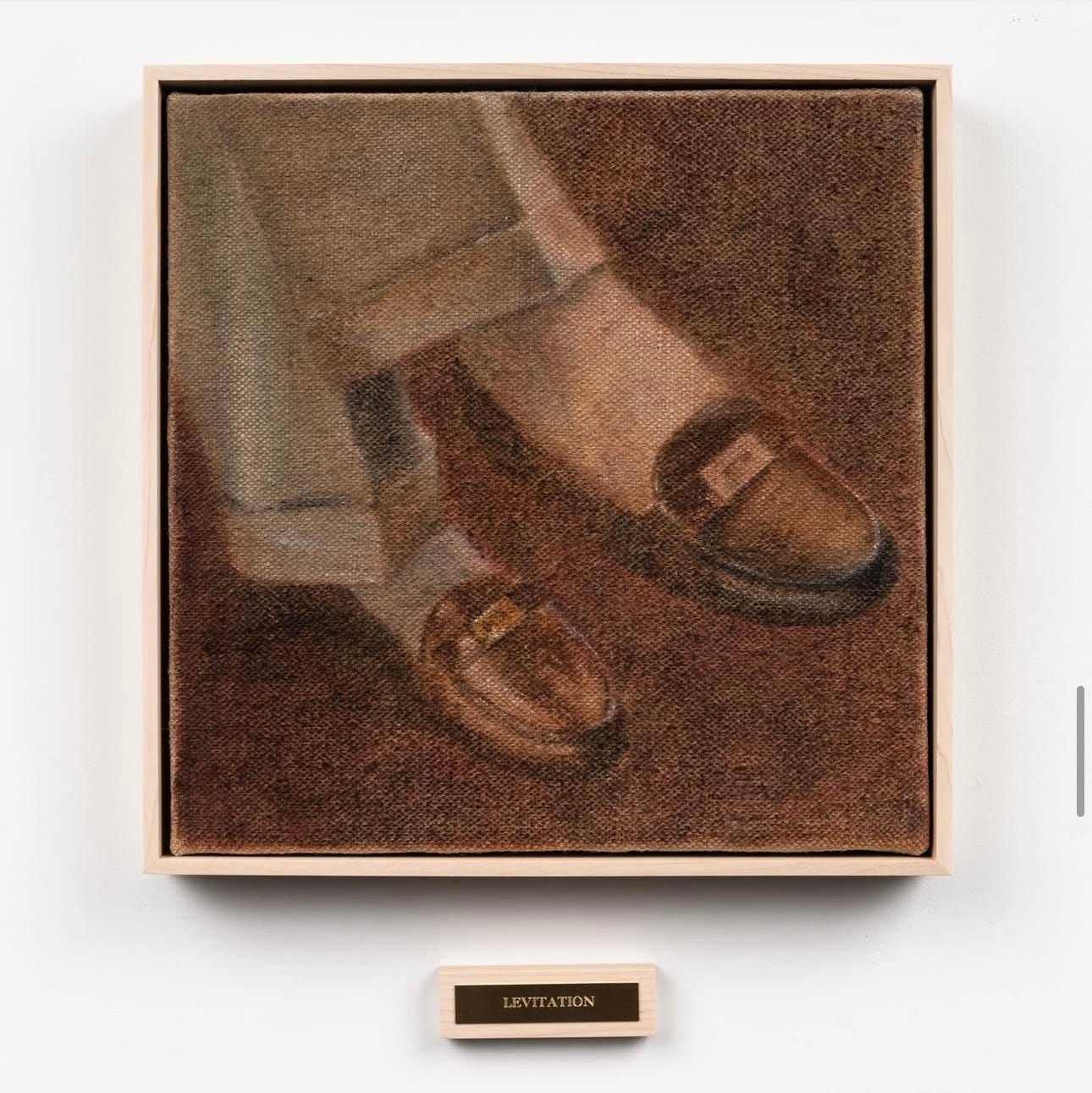
3) Works on paper & “miniature” art
Why they’re hot: affordability + intimacy + logistics. With buyers prioritizing value and livability, small formats and works on paper are everywhere—from gallery programs to fairs—because they’re more affordable, easier to ship, and rewarding to live with. 2025 coverage explicitly flags a shift to smaller paintings and sculptures and even dedicated “small format” shows; the miniature niche has active juried exhibitions and dedicated fairs.
What it means for collectors: you can calibrate risk and learning curve—study drawings, collages, and studies that connect to key bodies of work, and use small-scale shows as discovery engines while broader demand concentrates under $5,000.
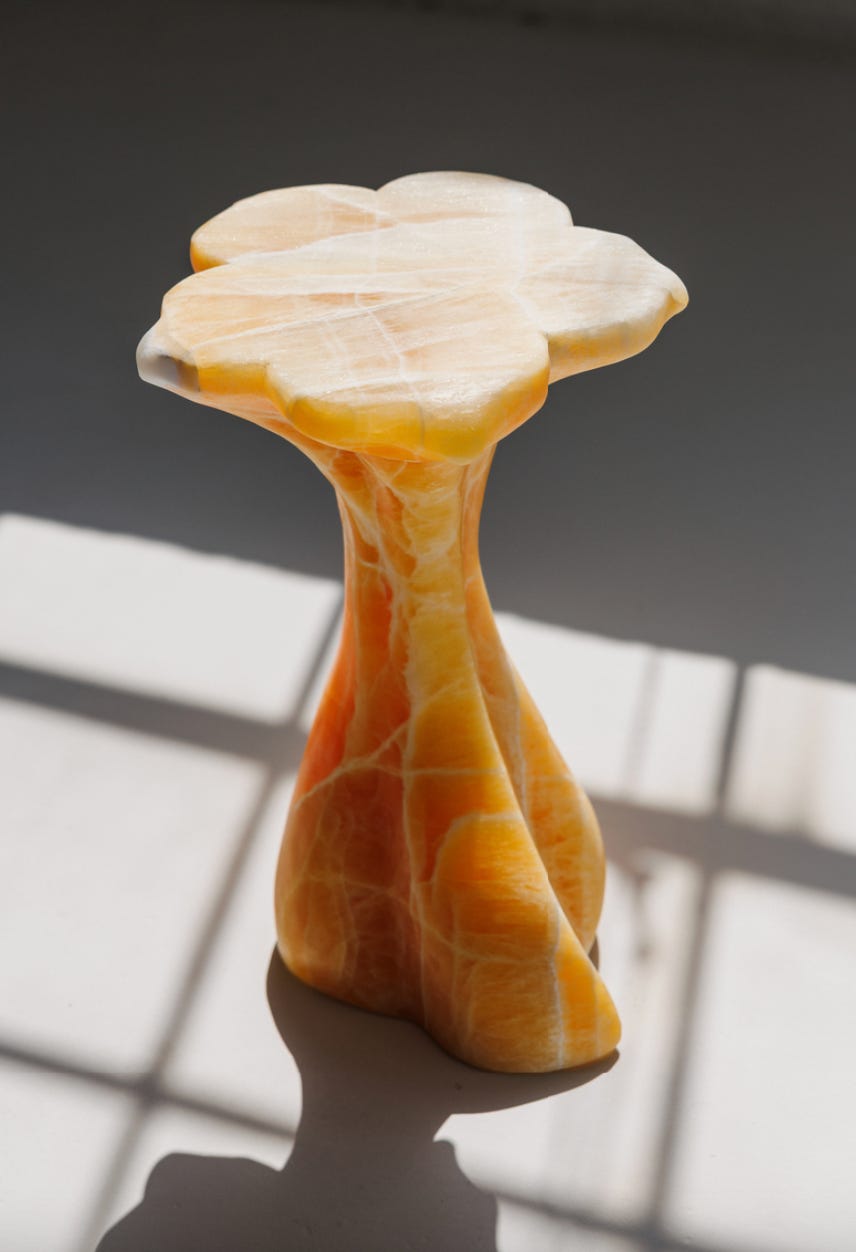
4) Sculptural design objects
Why they’re hot: liveability + cross-category demand + headline results. Design auctions are a 2025 bright spot, with Tiffany Studios and Les Lalanne leading global appetite. A Tiffany window hammered $4.2m in June, and design-category roundups show multiple new records this year; market analysts also note multi-year momentum for Lalanne across marquee sales. (Artnet NewsArtsyObserver)
What it means for collectors: design pieces diversify collections you actually live with. Because condition and authenticity are everything (joinery, glass, patina), buy from seasoned specialists and demand conservation notes.
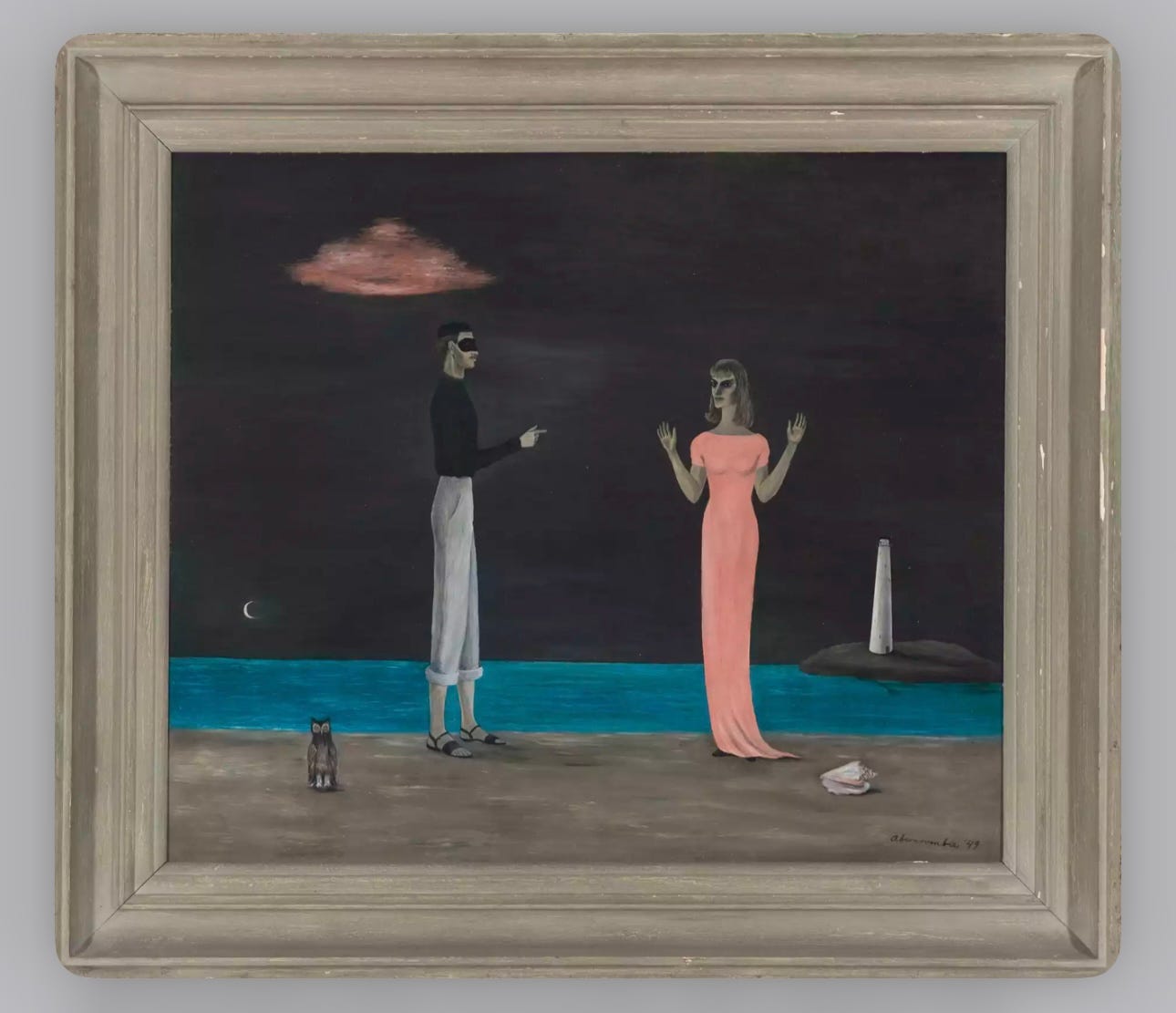
5) Surreal / dream-logic painting
Why it’s hot: the image-overload era favors ambiguity. Criticism in 2025 pinpoints blur, residue, surrealism, and dream logic as the year’s prevailing painting languages—an antidote to hyper-clarity and a conduit for psychological or metaphysical themes. Centennial programming for Surrealism (and renewed attention to women Surrealists) helps keep demand high across media and price points. (Artnet NewsArt )
What it means for collectors: look for artists with museum-adjacent shows and thoughtful scholarship; works on paper can be a disciplined entry point while blue-chip canvases are volatile.
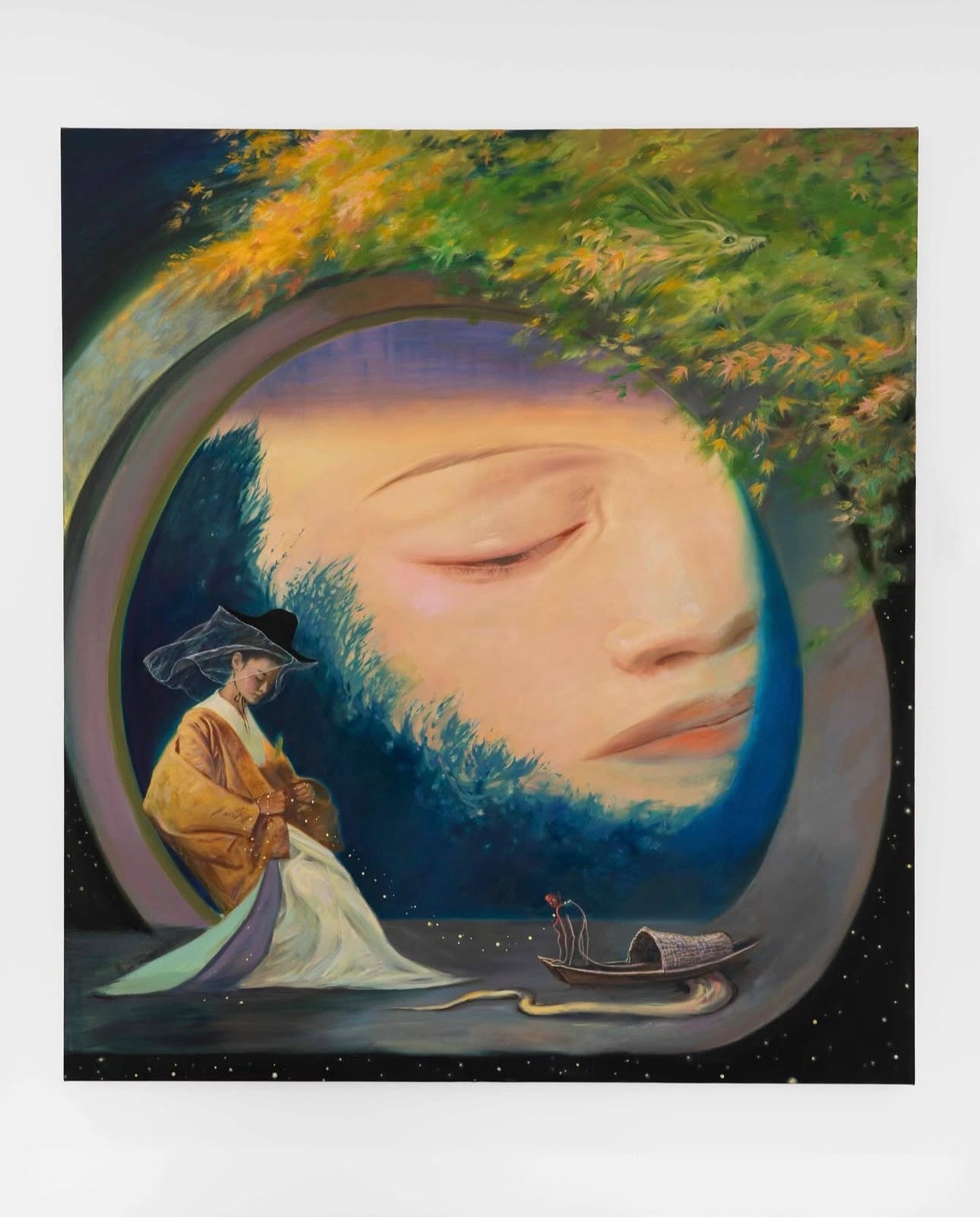
6) Mystical narrative
Why it’s hot: curators are leaning into spirituality and liminality. Museum programs across 2024–25—“Spirit House” (Cantor Arts Center) and “Portals” (MOCA Arlington), among others—spotlight art that navigates thresholds, ritual, and belief systems. The appeal to collectors is clear: layered storytelling with cultural depth that reads across painting, sculpture, and media. (museum.stanford.eduThe Washington Post)
What it means for collectors: prioritize artists tying contemporary life to spiritual or folkloric vocabularies, and follow museum group shows where curatorial context builds long-term relevance.
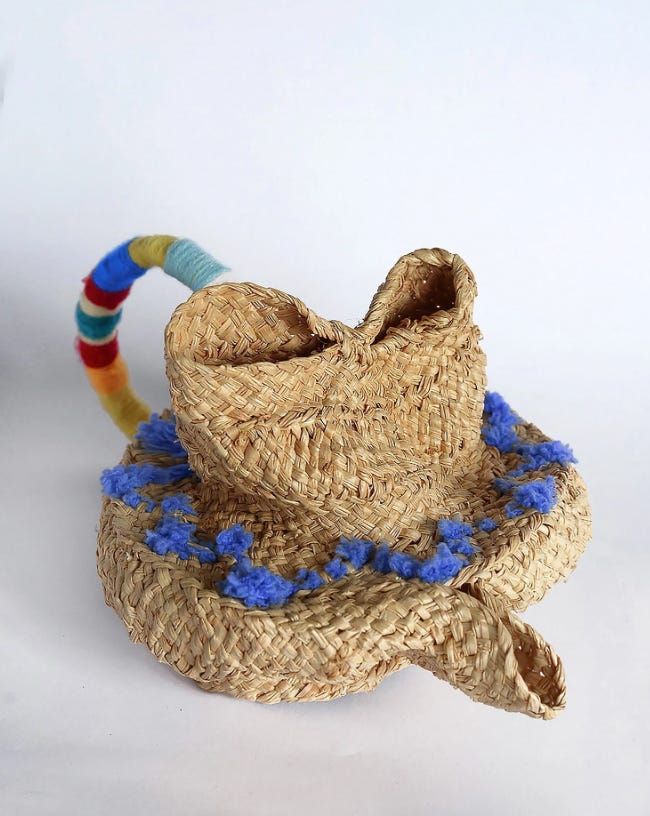
7) Biophilic art
Why it’s hot: wellness drives design—and walls. The broader surge in biophilic design (daylight, nature cues, organic materials) is shaping architecture and interiors, and designers predict organic patterns and earthier palettes through 2025. Collectors are echoing this at home with nature-led imagery, botanical studies, and material-conscious works. (Wallpaper*Architectural Digest)
What it means for collectors: align acquisitions with how you actually live—pieces that calm, soften, or “green” a space have cross-category demand from interior designers and homeowners alike.
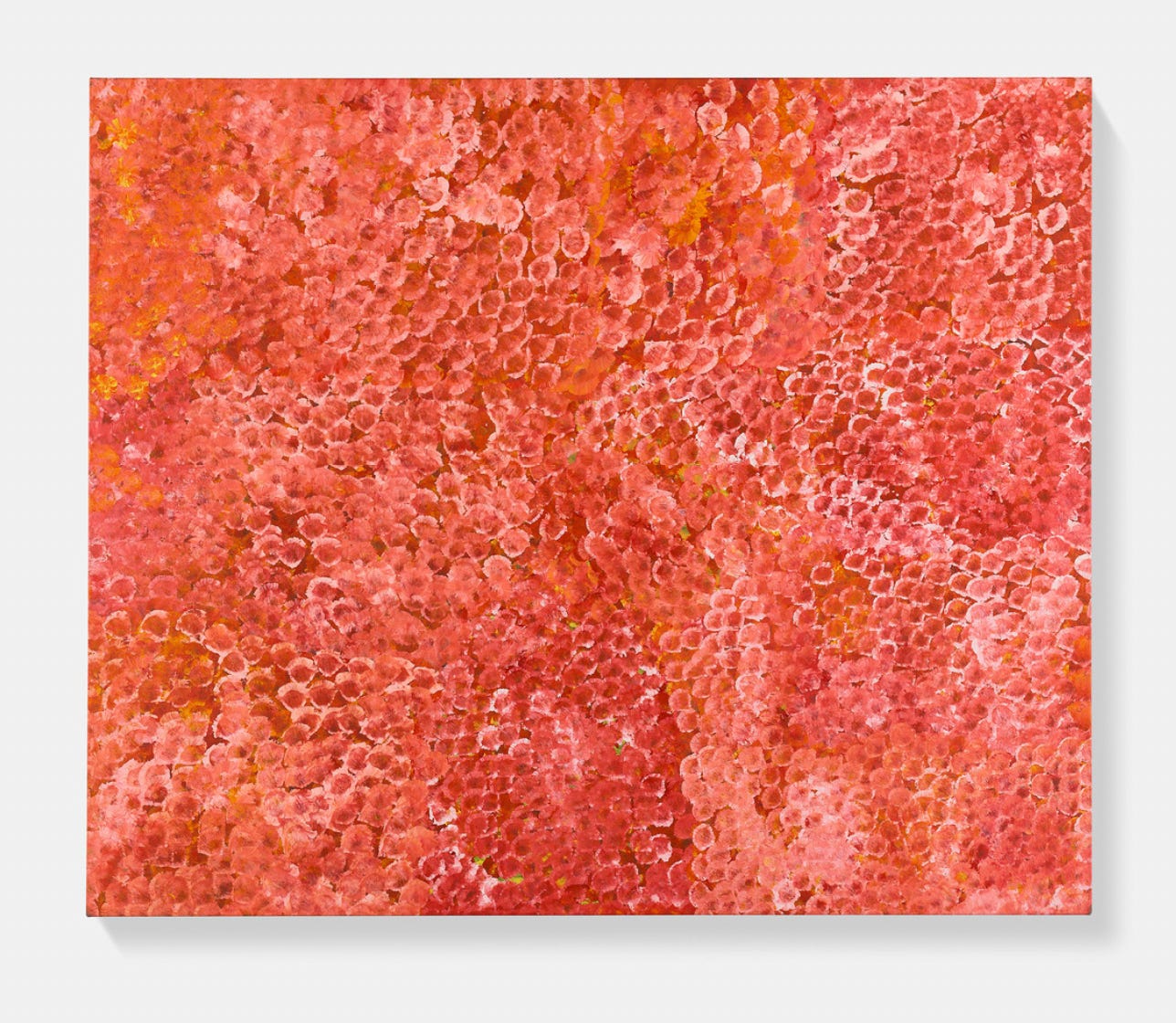
8) Indigenous art
Why it’s hot: institutional recognition + ethical focus + market traction. Indigenous artists won the top two Golden Lions at the 2024 Venice Biennale—Archie Moore (Best National Participation) and the Mataaho Collective (Best Participant in the main exhibition)—a watershed for global visibility. The UK and other hubs followed with a wave of exhibitions and acquisitions; market data show healthy auction totals for Australian Indigenous art in 2024. Collectors are engaging not only for aesthetic power but also for ethical, community-supporting purchasing frameworks. (La Biennale di VeneziaArtnet NewsThe GuardianFinancial TimesD'LAN CONTEMPORARY)
What it means for collectors: buy through reputable galleries and art centres, verify provenance and community benefit, and follow museum programs—this is a culturally vital area with growing long-term support.
Glad my work fits into several of these categories 🤪. Thank you for this! 🙏✨