

Why art influencing is not the same as fashion influencing
And why this concept doesn’t really work

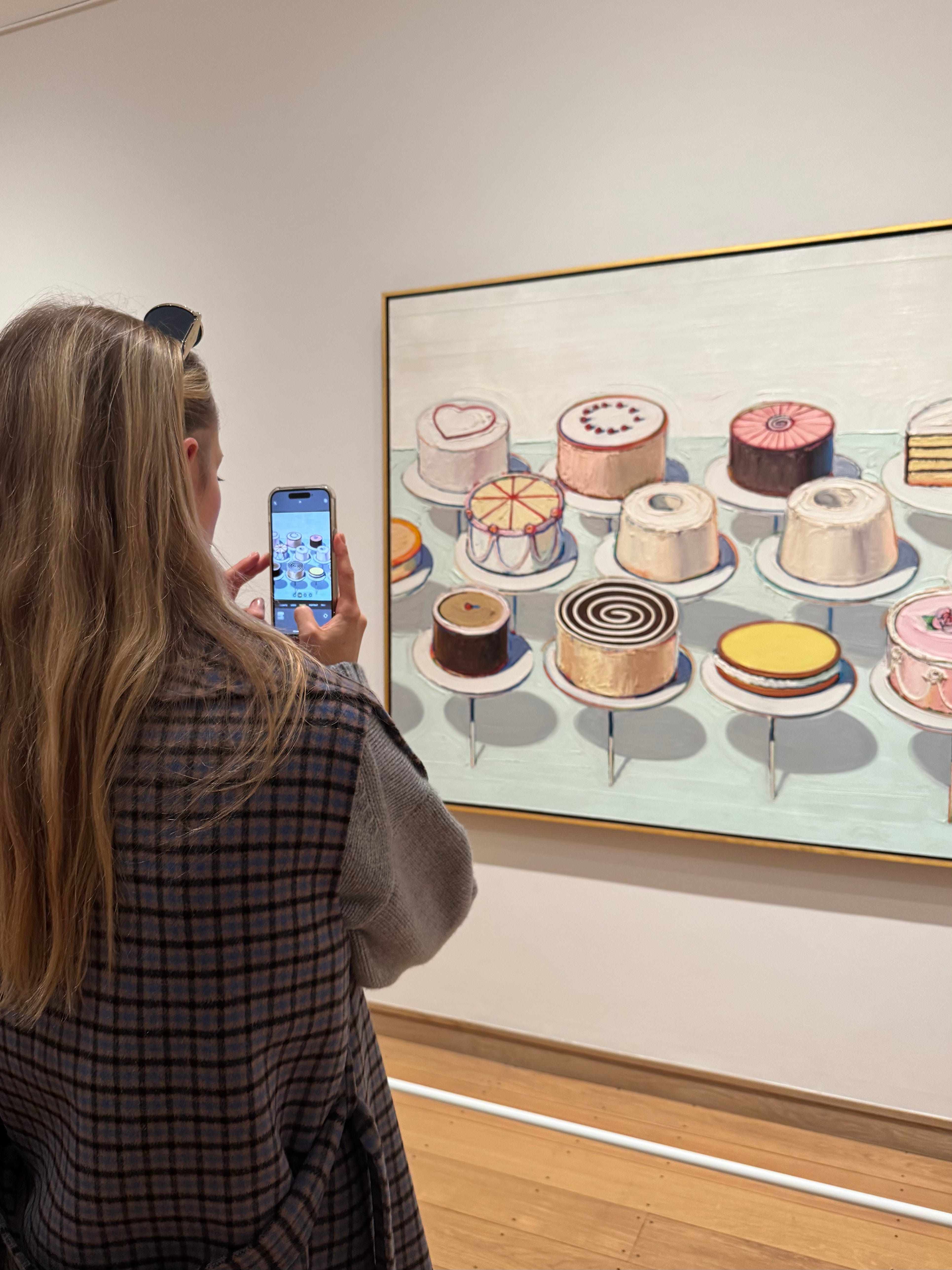
I don’t like the term influencer, and I like the term art influencer even less. Yet “art influencers” are starting to become a thing — and sometimes, even I get referred to as one. Here’s what bothers me about it, and what I see as a fundamental problem with the idea of “art influencers.”
Essentially, anyone with a certain following — usually around 10k followers — who posts frequently about shows is considered an art influencer. People follow them to see what’s on, to learn about new artists, or simply to stay in the loop. Often those people get invited to previews and VIP or press views (basically the same thing) to be among the first to post about the show and hopefully attract some attention to it.
It feels cool and special at first, but soon you realise that even a little story or a short post or reel is work. And maybe you don’t even like every single piece of art you’ve seen — but because it was a press preview, you feel like you have to share it. Maybe you hope that this will help you build up your “name.” But at the end of the day, it’s only a passion project, because no gallery or museum will pay you. Even when they work with a PR agency that invites you, you don’t get paid — period.
This is where the difference between art influencers and fashion influencers starts.
In Fashion…
There are so many individual objects within a brand, across many different brands and price ranges. There are PR previews of collections, but also free products, discount codes, affiliate links, and paid collaborations or partnerships.
Whereas in the art world:
No one is ever promoting — or would ever promote — a single artwork.
Would this even be possible? Technically yes. Galleries or marketplaces like Artsy could use affiliate links, but this would be considered “unacceptable” in the art world because art is not a mass-produced good. That’s a fair argument, and such practice might undervalue the work itself.
The other important question is: Would the audience of art influencers ever make an art purchase this way?Different crowd.
A following doesn’t mean potential buyers. The crowd that follows art influencers is (most likely) not the crowd that buys art — because the crowd that buys art doesn’t really need to follow influencers. They already know what shows are happening, where to go, and what to look for.
Followers are mostly art enthusiasts, artists, or art and art history students.
I’ve heard it so many times: “Oh, but you have a big following, so it’s easy to sell your art from your shows.”
First of all, define “big.” Second, it really doesn’t work that way. Again, this is not the fashion industry. The term is mismatched here.
Why can’t “art influencers” get paid?
Let’s say these so-called art influencers continue to post about museum shows and gallery exhibitions — why can’t they be compensated for that?
I personally think they should be compensated but there are many problems with this idea.
Commercial galleries want attendance at their shows — the more people who see them, the better. But blue-chip galleries are not looking for new buyers through Instagram audiences, so they don’t need conversions from influencers. They already have waiting lists of clients and wouldn’t sell just to anyone.
Still, they could pay influencers as part of their marketing campaigns, but they generally don’t.
Mid-tier and smaller galleries might need new buyers, but they know they probably won’t find them through Instagram crowds — although you never know. There’s a small chance, but these galleries usually don’t have the budget to explore that idea, and measuring metrics in this case would be difficult.
This concept could only really work for museums, because museums are selling tickets (and general awareness), not artworks. It’s not an unheard-of concept — I’ve come across a few partnerships like this — but usually, they were with fashion influencers or “art influencers” who have a truly large following.
At the end of the day, museums are usually not big spenders on marketing either, so when they do invest, it has to be truly “worth it.”
What Should the Definition of an Art Influencer Be?
There are only a handful of people who’ve managed to make a living out of it — like @ArtDrunk, @Lucymcorban, or maybe even @greatwomenartists — but they’re not influencers in the traditional sense. They’re content creators within the art world, thinking outside the box.
They’re not tastemakers or trendsetters in the way fashion influencers are. The real tastemakers in the art world would be curators, collectors or even art advisors who might or might not have a social media presence. Usually, they do, but they don’t try to make content — they post about their projects or about artists they like.
So perhaps those are the real “art world influencers” — but they don’t strive to make a living through paid collaborations.
But shouldn’t they be getting paid if they truly have influence on people? Is there a room for another system ? Or should the art world just stay the way it is?
Great insights! I feel like there are so many avenues for content - as it’s not just about audiences on social platforms anymore, but “art influencers” can also be people who write long form (like the art daddy) or produce things like podcasts, which is more in line with what the art world enjoys (“intellectual quality” and all of that). Getting audiences to pay for that content, like via Patreon or subscriptions, could be a way forward. Alternatively, companies that sponsor arts organizations, like Deutsche Bank or something, could also work with content creators or “thought leaders” who may not have a huge following, because art isn’t always trendy and it’s hard to build large numbers on socials, but who genuinely create meaningful and impactful content within the sector - not just entertainment.
Great read and funnily enough when I think influencer, I think content creator and there's only a few in art who are purely content creators - which you've mentioned. Most have many other avenues beyond 'content'. It's strange when I get called an influencer as social media content is a small part of what I do, but I suppose I am an influencer - at least according to Plaster: https://plastermagazine.com/features/art-world-influencers-social-media-instagram-curation/